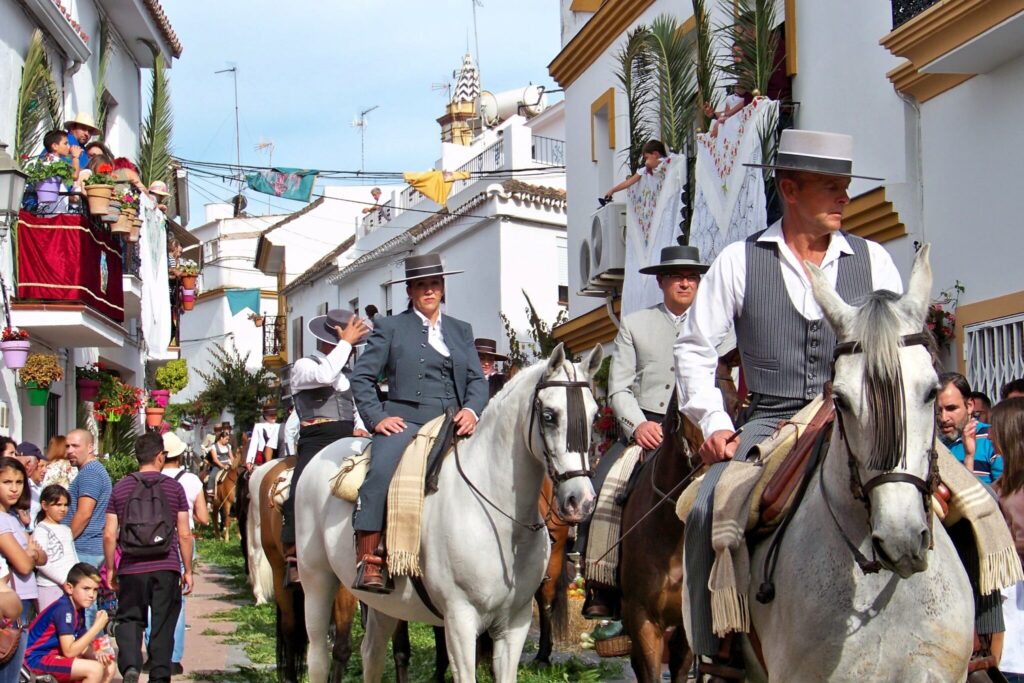
Estepona, a charming town on the western Costa del Sol, is renowned for its beautiful old town, stunning beaches, and vibrant cultural life. Beyond its picturesque aesthetics, the town truly comes alive through its deeply rooted fiestas and popular traditions. These celebrations, a captivating blend of religious solemnity and exuberant festivity, offer a unique window into the soul of Estepona and the enduring spirit of Andalusia. They are moments when the community unites, history is relived, and faith and joy intertwine, providing an authentic cultural experience for both residents and visitors alike.
Fiestas in Estepona are far more than mere entertainment; they are a vital expression of collective identity, memory, and belief. They serve several crucial roles:
Each major fiesta in Estepona carries its own distinct character and story, reflecting different facets of the town's rich heritage.
Semana Santa (Holy Week) is arguably the most profound and emotionally charged religious celebration in Estepona, as it is across Andalusia. Far from a mere spectacle, it is a deeply spiritual event that commemorates the Passion, Death, and Resurrection of Jesus Christ.
The roots of Holy Week in Andalusia trace back to the Middle Ages, evolving significantly during the Counter-Reformation in the 16th century to become a powerful tool for religious instruction and devotion. In Estepona, as elsewhere, it is organized by various "Cofradías" or "Hermandades" (brotherhoods/fraternities), each dedicated to a specific religious image or "paso" (float carrying sculpted scenes from the Passion).
The cultural significance lies in its ability to bring biblical narratives to life on the streets. It's a blend of artistic heritage (the ornate floats and sculptures are often centuries old and of immense artistic value), deep-seated religious belief, and community participation. The atmosphere is one of intense reverence, sometimes broken by spontaneous flamenco laments known as "saetas" sung from balconies as a float passes.
From Palm Sunday to Easter Sunday, Estepona's streets become the stage for daily processions. Each evening, a brotherhood emerges from its church, carrying its immense, heavy "pasos" – one depicting Christ, the other the Virgin Mary – through the town's narrow streets. These floats are borne on the shoulders of "costaleros" (bearers), hidden beneath the float, who move with a distinctive, slow, swaying gait, often for hours on end, a testament to their faith and physical endurance.
Accompanying the floats are hundreds of "nazarenos" (penitents) dressed in traditional robes and conical hoods, walking in silent procession, sometimes barefoot, carrying candles or crosses. The rhythmic beat of drums and the mournful sound of brass bands create an evocative and solemn soundtrack. The scent of incense hangs heavy in the air.
Key moments include the solemnity of Good Friday, the dramatic silence of the "silencio" procession, and the joyful contrast of Easter Sunday when the "Resucitado" (Risen Christ) is paraded, marking the culmination of the week's events. For many, Holy Week is a profound spiritual journey and an unmissable cultural experience.
In stark contrast to the solemnity of Holy Week, the **Feria de San Isidro Labrador** (Fair of Saint Isidore the Farmer) bursts forth with color, music, and unadulterated joy. Celebrated around the 15th of May, it honours the patron saint of farmers and laborers, reflecting Estepona's agricultural roots before its full embrace of tourism.
San Isidro Labrador is widely venerated in agrarian communities across Spain, believed to bring good harvests and protect agricultural workers. The feria's origins lie in the traditional celebrations of the farming community, giving thanks for the land's bounty. It is a testament to the enduring connection between the town and its rural hinterland, celebrating hard work, tradition, and community spirit.
Culturally, it represents the lighter, more communal side of Andalusian festivity, where traditional dress, flamenco music, and equestrian displays take center stage. It's a chance for the town to unwind and celebrate its heritage with gusto.
The San Isidro Feria typically begins with a vibrant **"Romería"** (pilgrimage), where hundreds of people, dressed in traditional Andalusian attire (flamenco dresses for women, "traje corto" for men), ride horses or decorative ox-drawn carts through the countryside to a designated picnic area. This procession is accompanied by singing, dancing, and plenty of food and drink, setting a joyful tone for the week ahead.
The main fairgrounds ("recinto ferial") then become the epicenter of activity for several days. Here, "casetas" (marquees set up by local families, clubs, or businesses) offer traditional food, drink, and live flamenco music and dancing into the early hours. There are fairground rides, games, and street vendors. Daytime often features equestrian shows, traditional music performances, and parades, while evenings are filled with dancing and a lively, festive atmosphere. The air is filled with the scent of fried food, the sound of "sevillanas" (traditional flamenco dance), and the laughter of families and friends enjoying themselves.
The **Fiestas Mayores** of Estepona, typically held in early July, are the town’s grand summer fair, marking the peak of the festive season. These are secular celebrations, focused purely on entertainment, social gathering, and welcoming the summer. Given the current date, this particular fiesta is just around the corner!
These fairs often originated from livestock markets or agricultural gatherings that gradually evolved into purely festive events. In modern Estepona, the Fiestas Mayores serve as a massive communal party, a time for relaxation, enjoyment, and showcasing the town's vibrant atmosphere to both locals and tourists. They are an expression of Andalusian joy, hospitality, and the desire to celebrate life.
Culturally, they reinforce the strong social fabric of the community, offering a platform for shared experiences and strengthening intergenerational bonds. It’s a period when the town truly lets its hair down.
The Fiestas Mayores kick off with an impressive opening ceremony, often including a "pregón" (inaugural speech) and the switching on of thousands of decorative lights that adorn the fairgrounds and major streets. The fair is divided into two main parts:
The Fiestas Mayores are a sensory overload in the best possible way: the smell of churros, the sound of laughter and music, the vibrant colors of traditional dresses, and the sheer joy radiating from everyone participating.
Beyond these three major celebrations, Estepona observes several other significant dates:
Estepona’s fiestas and popular traditions are the beating heart of its cultural identity. They are vibrant expressions of a community deeply connected to its history, faith, and the simple joys of life. From the solemn processions of Holy Week that evoke deep spiritual reflection, to the agricultural homage of San Isidro, and the exuberant summer celebration of the Fiestas Mayores, each event offers a unique and unforgettable insight into the Andalusian way of life. Experiencing these traditions is to truly connect with Estepona, not just as a beautiful destination, but as a living, breathing community rich in heritage and vibrant with shared festivities.

Our company has brought together specialists with vast experience of working with property in the South of Spain. We offer resale properties, as well as property from the developer.
Estepona Invest © 2012 - 2026. All Rights Reserved.