Estepona, a jewel of the Costa del Sol, is widely celebrated for its vibrant flowers, charming old town, and beautiful beaches. Yet, beneath its modern allure and picturesque surface lies a profound history, etched into the very landscape. The town and its surroundings are rich in archaeological remains, offering tangible evidence of the diverse civilizations that have inhabited this strategic corner of Andalusia for millennia. From prehistoric burial sites to Roman villas and Moorish strongholds, Estepona’s archaeological heritage is a fascinating narrative waiting to be uncovered, providing crucial insights into the broader history of the region and indeed, the Iberian Peninsula.
Estepona's geographical position, nestled between the Mediterranean Sea and the Sierra Bermeja mountains, made it an attractive location for various cultures throughout history. Its natural harbor, fertile lands, and access to trade routes ensured continuous settlement. The archaeological sites found here are not merely isolated remnants; they are pieces of a vast puzzle that help us understand:
One of the most significant archaeological treasures in Estepona, offering a direct link to its most ancient inhabitants, is the **Dolmen of Corominas**. Discovered accidentally in 2001 during construction work, this site is a truly remarkable find.
The Dolmen of Corominas dates back to the **Copper Age (around 3,000 to 2,500 BC)**, making it approximately 4,500 to 5,000 years old. It is a collective burial site, a megalithic structure consisting of large stone slabs forming a chamber, covered by an artificial mound of earth and stones (a tumulus). The dolmen was designed to house the remains of multiple individuals, indicating a communal burial practice typical of Neolithic and Copper Age societies.
The cultural significance of Corominas is immense. It provides invaluable data on the burial rituals, social structures, and technological capabilities of these early communities. The fact that it was built with such precision using massive stones speaks volumes about their organizational skills and understanding of engineering principles, even without modern tools.
Today, the Dolmen of Corominas is not merely an excavated site; it is a meticulously preserved and presented archaeological park. A purpose-built interpretation center has been constructed around the dolmen, allowing visitors to enter the prehistoric burial chamber in a controlled environment. The center uses advanced technology, including lighting and sound effects, to recreate the atmosphere of the dolmen as it might have been when in use. Artifacts found within the tomb, such as ceramic fragments, flint tools, and personal adornments, are displayed, offering tangible connections to the people who built and used this ancient monument. It’s a powerful experience that transports visitors back to a time when the Costa del Sol was inhabited by early agricultural communities, long before the Romans or Moors arrived.
The Roman Empire’s presence in Baetica (as Andalusia was known) was extensive and profound, and Estepona was no exception. Numerous Roman vestiges dot the landscape, testifying to a period of significant economic activity and urbanization.
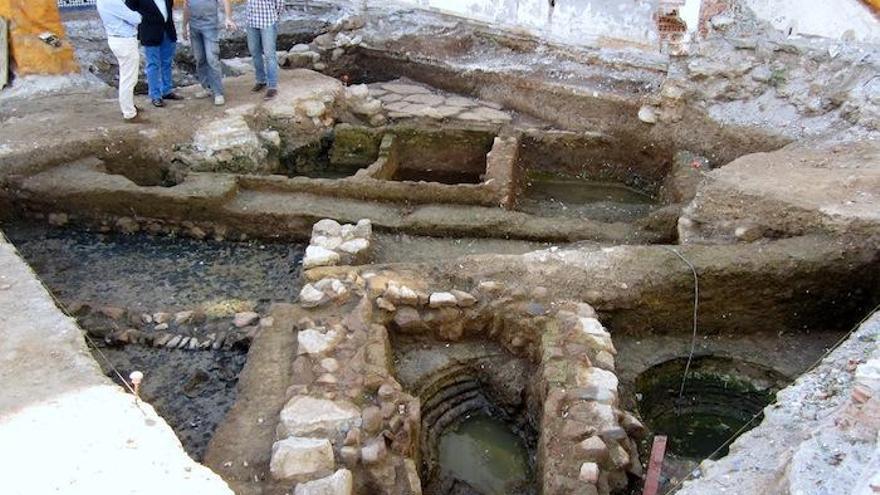
The fertile coastal plains and access to the sea made Estepona an ideal location for Roman villas and, crucially, fish-salting factories. The Romans were highly skilled in processing fish, particularly for garum (a prized fermented fish sauce), which was a major export product. Remains of these factories, characterized by large vats used for salting fish, have been discovered along the coast, indicating a bustling maritime economy. These sites, such as the Roman villa near **Arroyo En medio** or remains found in other coastal areas, provide evidence of the sophisticated infrastructure the Romans developed, including aqueducts for water supply and well-organized production facilities.
The presence of villas suggests a settled agricultural and residential lifestyle, often connected to these industrial activities. These villas were typically luxurious, indicating the presence of wealthy Roman citizens or Hispano-Roman elites who exploited the region's resources.
While less overtly monumental than structures like the Dolmen, the remnants of **Roman roads** and bridges are equally significant. The Via Augusta, one of the most important Roman roads in Hispania, likely had offshoots or connected segments running through or near Estepona, linking coastal settlements and facilitating trade and military movement. The presence of these roads highlights Estepona's integration into the vast Roman network and its strategic importance for communication and logistics within the province.
Fragments of Roman pottery, coins, and domestic items continue to be unearthed during construction projects, reinforcing the pervasive Roman influence on the region's development.
Following the decline of Roman rule, the Iberian Peninsula entered a period of significant transformation with the arrival of the Moors in the 8th century. Estepona's strategic location ensured its continued importance, leading to the construction of fortifications.
Perched on a hill overlooking the town and the sea, the ruins of the **Castle of Nicio** are a testament to Estepona's Moorish past. While much of the original structure is lost, the remaining walls and foundations hint at a formidable fortress. This castle, likely built during the Nasrid period (13th-15th centuries) to defend against Christian advances and control the coastline, would have been a vital defensive point in the region. Its strategic location allowed for extensive views, crucial for spotting approaching enemies. Excavations at the site have yielded pottery and other artifacts, helping to piece together life within the fortress during Al-Andalus.
The very name Estepona itself is believed to have Moorish origins (possibly derived from "Astabuna" or "Estebbuna"), further underscoring the deep roots of this period in the town's history.
Closer to the town center, the remains of the **Castle of San Luis** (Castillo de San Luis) speak to the post-Reconquista period, though its foundations may incorporate earlier structures. Built in the 15th and 16th centuries after the Christian reconquest, it served to protect the newly established Christian settlement from pirate raids and other threats. While only remnants of its walls can be seen today, it signifies the continuous strategic importance of Estepona's location through different historical epochs.
For visitors keen to delve deeper into Estepona's archaeological narrative, the **Estepona Archaeological Museum**, housed within the beautifully restored Casa del Aljibe, is an indispensable resource. It effectively brings together artifacts from various periods, from the Paleolithic to the Moorish eras, offering a coherent chronological journey through the town's history. The museum’s prized possession, the reconstructed Dolmen de Corominas, provides an immersive experience of prehistoric life. The collection of Roman ceramics, tools, and everyday objects, alongside Moorish pottery, paints a vivid picture of the diverse communities that shaped Estepona. The museum acts as a vital educational hub, making the town's complex archaeological story accessible to a wider audience.
The preservation and study of Estepona's archaeological heritage are ongoing efforts. As the town continues to grow, urban development must proceed hand-in-hand with archaeological vigilance. New construction projects often uncover previously unknown sites, requiring careful excavation and documentation. Local authorities and heritage organizations are committed to protecting these valuable remnants, recognizing their importance not only for academic understanding but also as a crucial part of Estepona's cultural identity and tourist appeal.
Investment in archaeological research, conservation techniques, and public interpretation centers ensures that these traces of ancient civilizations are not lost to time but continue to inform and enrich our understanding of this fascinating corner of Andalusia.
Estepona’s archaeological heritage is a powerful testament to its enduring human story. From the enigmatic stones of the Dolmen of Corominas, whispering tales of Copper Age rituals, to the foundational remnants of Roman fish-salting factories and Moorish fortresses, the town's past is rich and multi-layered. These sites, meticulously excavated and thoughtfully presented, are not just relics; they are living connections to the countless lives that shaped this land. Exploring Estepona’s archaeological treasures offers a unique and profound perspective on its development, enriching any visit and solidifying its place as a destination where ancient history breathes alongside modern charm.

Our company has brought together specialists with vast experience of working with property in the South of Spain. We offer resale properties, as well as property from the developer.
Estepona Invest © 2012 - 2026. All Rights Reserved.