Estepona, often celebrated for its "Garden of the Costa del Sol" initiative and its pristine beaches, has quietly blossomed into a vibrant cultural hub. Beyond its natural charm, the town has made a concerted effort to enrich its cultural landscape, transforming its streets into open-air galleries and establishing diverse museums. This commitment to art and heritage offers a compelling reason to explore Estepona beyond its traditional tourist attractions, revealing a sophisticated cultural offering that beautifully complements its picturesque setting.
Estepona’s museums, though modest in scale, provide fascinating insights into the region's rich past and varied traditions. They are perfect for a deeper dive into what makes this corner of Andalusia unique.
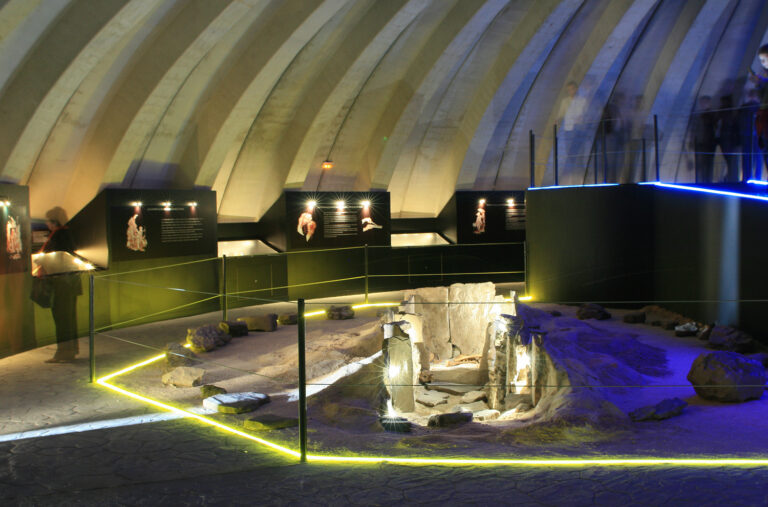
Housed within the Casa del Aljibe, a beautifully restored building that was once the town's public cistern, the **Estepona Archaeological Museum** is a treasure trove for history enthusiasts. It takes visitors on a journey through Estepona's millennia-old past, from the Paleolithic era to the modern age. Key exhibits include tools and artifacts from prehistoric settlements, Roman ceramics and coins, and remnants from the Moorish period. A standout piece is undoubtedly the **Dolmen de Corominas** from the Copper Age, a reconstructed burial chamber offering a tangible connection to the area's earliest inhabitants. The museum effectively tells the story of the various civilizations that have left their mark on this land, providing context to Estepona's present-day identity.
Located in the heart of the old town, the **Ethnographic Museum** offers a captivating glimpse into the daily life, trades, and customs of Estepona's past. It showcases the traditional tools and equipment used in agriculture, fishing, and various crafts that were once the lifeblood of the community. Visitors can explore recreated workshops of shoemakers, blacksmiths, bakers, and fishermen, complete with authentic implements. This museum is a wonderful tribute to the ingenuity and hard work of Estepona's ancestors, providing a tangible sense of the town’s humble origins and the traditions that shaped its people. It's a poignant reminder of how much has changed while highlighting the enduring spirit of the region.
For those fascinated by natural history, Estepona’s **Paleontology Museum** is a surprisingly comprehensive collection of fossils found in the region. It features an impressive array of marine and terrestrial fossils, some dating back millions of years. Of particular note are the fossilized remains of whales, sharks, and other marine creatures, providing evidence of how this area was once submerged under ancient seas. The museum also houses a collection of human remains, shedding light on the early inhabitants of the Costa del Sol. It’s an engaging and educational experience that broadens the understanding of the geological and biological evolution of this part of Spain.
Situated within the bullring itself, Estepona’s **Bullfighting Museum** offers an insight into this controversial yet deeply ingrained aspect of Spanish culture. It displays a collection of bullfighting costumes, posters, historical photographs, and memorabilia of famous bullfighters. While bullfighting remains a divisive topic, the museum provides a historical and cultural context for its role in Spanish society, particularly in Andalusia, allowing visitors to understand its artistic and traditional elements.
Beyond its traditional museums, Estepona has ingeniously transformed its urban landscape into an expansive open-air art gallery, making art accessible to everyone.
One of Estepona's most distinctive cultural initiatives is its **Route of Artistic Murals**. Since its inception, this project has seen dozens of large-scale murals painted on the facades of buildings across the town, primarily in residential areas. These aren't just graffiti; they are intricate, professional artworks by renowned artists, often depicting scenes from local life, nature, history, or abstract concepts. Examples include "Día de Pesca" (Fishing Day), a colossal work spanning several buildings, depicting a fisherman at work; "Acuarela de Estepona" (Estepona Watercolor), a vibrant, colorful representation of the town; and "El Jardin de la Orquídea" (The Orchid Garden), a stunning homage to the town’s famous Orchidarium.
Walking the mural route is like embarking on a treasure hunt, discovering breathtaking pieces around every corner. This initiative not only beautifies otherwise mundane urban spaces but also promotes art to a wider audience, encourages exploration beyond the main tourist arteries, and provides a unique identity to different neighborhoods. It has significantly contributed to Estepona's reputation as a city that values and champions public art.
Complementing the murals are numerous **urban sculptures** dotted throughout the town's squares, parks, and promenades. These range from modern abstract pieces to more traditional representations, adding visual interest and artistic flair to public spaces. From the elegant "Hombre al Aire" (Man in the Air) by Santiago de Santiago on the seafront promenade to the striking pieces found in the revitalized old town, these sculptures contribute to Estepona's sophisticated aesthetic. They invite contemplation and enhance the overall experience of strolling through the "Garden of the Costa del Sol."
Estepona’s cultural life is not static; it’s a dynamic and evolving program of events that cater to diverse tastes throughout the year. The **Auditorio Felipe VI**, a modern and well-equipped performing arts center, is the heart of this activity.
The Auditorio Felipe VI hosts a wide array of musical concerts, from classical orchestras and opera to contemporary pop and rock performances. It also stages theatrical plays, ballets, and flamenco shows, bringing national and international talent to Estepona. This venue plays a crucial role in providing high-quality cultural entertainment and attracting a varied audience.
Beyond the permanent collections in its museums, Estepona features several smaller art galleries that host temporary exhibitions by local, national, and international artists. These galleries, often found within the charming streets of the old town, offer a chance to discover emerging talent and purchase unique pieces of art. The town also regularly organizes art fairs and open studio events, fostering a vibrant artistic community.
Throughout the year, Estepona celebrates various festivals and cultural weeks that highlight different aspects of its heritage. These include:
Estepona has skillfully cultivated a robust and engaging cultural identity that goes far beyond its "Garden of the Costa del Sol" moniker. Its thoughtfully curated museums offer deep dives into its rich history, while the widespread artistic murals and urban sculptures transform the entire town into an accessible gallery. Complemented by a dynamic calendar of concerts, exhibitions, and festivals at the Auditorio Felipe VI and other venues, Estepona presents a compelling cultural offering. It is a town that understands the intrinsic value of art and heritage, seamlessly integrating them into daily life and creating a truly enriching experience for everyone who visits or calls it home.

Our company has brought together specialists with vast experience of working with property in the South of Spain. We offer resale properties, as well as property from the developer.
Estepona Invest © 2012 - 2026. All Rights Reserved.