Estepona, a picturesque town on the western Costa del Sol, is not only celebrated for its charming old town, vibrant floral displays, and beautiful beaches but also for its burgeoning gastronomic scene. What was once a humble fishing village has evolved into a culinary hotspot, offering a rich tapestry of flavors that proudly showcase the bounty of the Mediterranean Sea and the fertile Andalusian land. From simple, time-honored dishes to sophisticated culinary creations, Estepona’s gastronomy provides an authentic taste of southern Spain.
At the very core of Estepona's culinary identity lies its profound connection to the sea. The town’s fishing port, one of the busiest in the region, ensures a daily supply of incredibly fresh seafood, making it the star of many local dishes. The quintessential culinary experience in Estepona is undoubtedly enjoying a plate of **"pescaíto frito,"** or fried fish. This seemingly simple dish is an art form here, relying entirely on the quality and freshness of the catch. Varieties typically include crispy, lightly floured boquerones (anchovies), salmonetes (red mullet), calamares (squid), and rosada (pink cusk-eel). Served hot, with a squeeze of fresh lemon, it's a testament to the idea that sometimes, less is more.
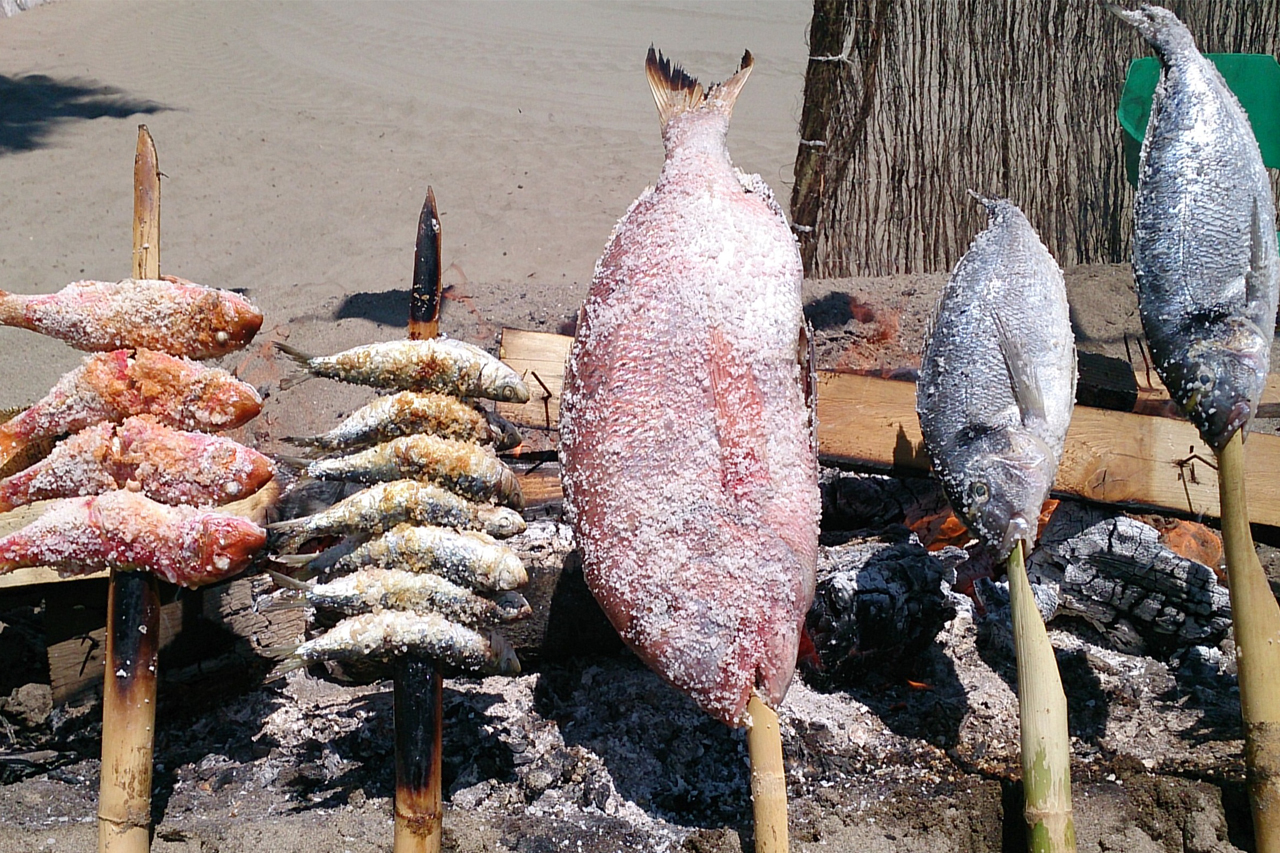
Beyond "pescaíto frito," the sea's influence is evident in an array of other exquisite seafood preparations. You'll find succulent **gambas al pil-pil** (sizzling garlic prawns), often served in bubbling olive oil with a hint of chili, perfect for dipping crusty bread. **Espetos de sardinas**, skewers of sardines grilled over an open wood fire on the beach, are a true summertime delight and an iconic part of the Malaga province's culinary landscape. The smoky aroma and perfectly cooked fish are irresistible. Other fresh catches like dorada (sea bream), lubina (sea bass), and lenguado (sole) are frequently prepared "a la plancha" (grilled) or baked "a la sal" (in a salt crust), allowing their natural flavors to shine.
Seafood restaurants, known as "chiringuitos" on the beachfront and more formal establishments in the town, pride themselves on showcasing this fresh produce. Walking through the port area in the early evening, you can often witness the daily fish auction, a vibrant reminder of the direct line from the sea to your plate.
While the sea dominates, Estepona's gastronomy is equally influenced by the robust flavors of inland Andalusia. The region's agricultural heritage brings forth a bounty of fresh vegetables, olive oil, and quality meats that form the backbone of many traditional dishes. Olive oil, the "liquid gold" of Andalusia, is omnipresent, not just as a cooking medium but as a finishing touch, imparting a rich, fruity note to almost everything.
Among the most beloved inland dishes is **Gazpacho** or its creamier cousin, **Salmorejo**. These cold tomato-based soups, made with fresh tomatoes, peppers, cucumber, garlic, olive oil, and bread, are incredibly refreshing during the warm Andalusian summers. They embody the region's knack for creating simple yet profoundly flavorful dishes from humble ingredients.
Meat dishes also hold a significant place. **Rabo de toro** (oxtail stew), slow-cooked until the meat falls off the bone and infused with rich wine and aromatic vegetables, is a hearty and satisfying option. Various preparations of pork, including the famed Iberian pork, are also widely available, often grilled or served as part of a more extensive stew. Local cheeses, often made from goat or sheep's milk, and cured hams like **jamón serrano** and **jamón ibérico**, are staple appetizers, showcasing the diverse produce of the land.
Estepona, like much of Andalusia, embraces the vibrant **tapas culture**, offering a fantastic way to sample a wide variety of dishes in smaller portions. "Tapear," or going for tapas, is a beloved social activity, allowing diners to hop from one bar to another, enjoying a drink and a small plate. This allows for a more informal and adventurous culinary exploration, tasting everything from classic "tortilla española" (Spanish omelette) and "patatas bravas" (potatoes with spicy sauce) to more innovative mini-dishes crafted by modern chefs.
Estepona’s restaurant scene caters to all tastes and budgets, successfully blending traditional eateries with contemporary dining experiences:
To truly understand Estepona's gastronomy, a visit to its local markets is essential. The Mercado de Abastos, the municipal market, is a vibrant hub where you can see the fresh produce, fish, meats, and local delicacies that make their way to the town's kitchens. It's an immersive experience that connects you directly to the source of the flavors.
Many establishments also offer unique gastronomic experiences, such as cooking classes focusing on traditional Andalusian dishes, wine tastings featuring local Ronda wines, or even tours to olive oil mills in the surrounding countryside. These activities provide a deeper appreciation for the culinary heritage and the effort that goes into creating Estepona’s delectable dishes.
Estepona has firmly established itself as a significant gastronomic destination on the Costa del Sol. Its culinary identity is a delicious fusion of the freshest seafood, straight from its bustling port, and the rich, earthy flavors of inland Andalusia. From the simple perfection of "pescaíto frito" to the elaborate preparations found in its fine dining establishments, the town offers a culinary journey that reflects its heritage and its evolution. Whether you’re enjoying tapas in a lively square, savoring grilled sardines on the beach, or indulging in a sophisticated meal, Estepona promises a truly memorable and authentic taste of southern Spain.

Our company has brought together specialists with vast experience of working with property in the South of Spain. We offer resale properties, as well as property from the developer.
Estepona Invest © 2012 - 2026. All Rights Reserved.