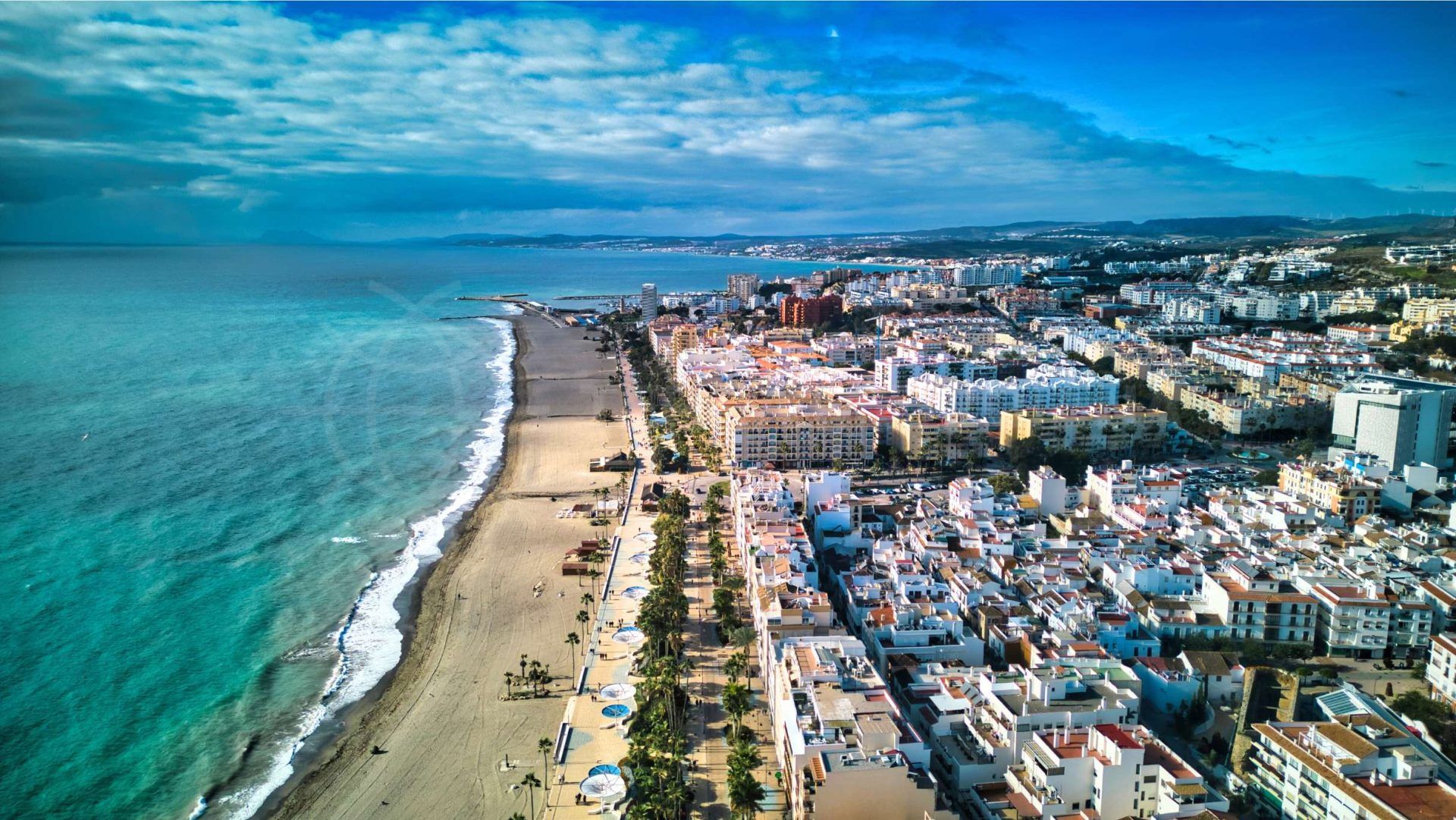
Estepona, a jewel on the western Costa del Sol, has masterfully repositioned itself from a quiet fishing town into a thriving, sought-after destination. Its transformation into the "Garden of the Costa del Sol," marked by its beautifully adorned old town and vibrant cultural scene, has drawn significant investment and population growth. While this surge in popularity brings undeniable economic benefits, it also poses a fundamental question: how can a city like Estepona manage rapid urban development without compromising its natural beauty and authentic charm? The answer lies in a conscious and proactive commitment to sustainable urban planning, a journey Estepona has embraced with remarkable success, striving for a delicate balance between progress and preservation.
The allure of Estepona is multifaceted: its pristine beaches, the majestic backdrop of the Sierra Bermeja mountains, and a burgeoning reputation for quality of life. This magnetism, however, translates into intense pressure on land and resources. The demand for new residential properties, coupled with the expansion of tourist infrastructure, presents a significant challenge for urban planners. Unchecked development risks:
Addressing these challenges requires a strategic, long-term vision that transcends immediate economic gains, focusing instead on holistic, sustainable growth.
Estepona's response to these pressures has been proactive, multifaceted, and deeply rooted in a vision of a green, livable city. Several key initiatives stand out:
This flagship project is perhaps the most visible manifestation of Estepona's sustainable strategy. It has transformed the historic town center into a breathtaking mosaic of vibrant flowers, charming squares, and pedestrianized streets. By banning vehicular traffic from the heart of the old town, the municipality has not only reduced noise and air pollution but also fostered a more enjoyable, walkable environment. Thousands of plants and trees have been meticulously integrated, enhancing biodiversity, improving air quality, and contributing to a significant reduction in the urban heat island effect. This initiative is a powerful example of how green infrastructure can be seamlessly woven into an urban fabric, improving both aesthetics and environmental performance.
Estepona has implemented a robust framework of planning regulations designed to control the type, density, and height of new constructions. The focus has shifted towards promoting **high-quality, low-density developments** that respect the natural landscape and existing architectural styles. There's a clear preference for designs that incorporate sustainable elements, such as energy efficiency, water conservation systems, and the use of eco-friendly materials. This strategic zoning aims to prevent urban sprawl, concentrating growth in designated areas while safeguarding natural corridors and sensitive ecological zones.
The protection of Estepona's rich natural environment, particularly the **Sierra Bermeja**, is a cornerstone of its sustainable agenda. This unique mountain range, home to rare pinsapo fir trees and a diverse array of flora and fauna, is actively managed for conservation. Efforts include establishing protected areas, controlling access to sensitive zones, and promoting responsible eco-tourism that educates visitors about the importance of biodiversity. Similarly, the town is committed to preserving its extensive coastline, implementing programs for beach maintenance, dune restoration, and monitoring marine ecosystems to ensure their long-term health, which is vital for both ecological balance and the tourism industry.
Beyond green spaces, Estepona is actively investing in infrastructure that supports a more sustainable lifestyle. This includes:
These infrastructural improvements are essential for accommodating a growing population and tourist influx without overstraining natural resources.
The journey towards sustainable urban development is not a destination but a continuous process of adaptation and innovation. Estepona’s success lies in its proactive embrace of this philosophy. The city understands that economic prosperity, particularly in a tourism-dependent region, must go hand-in-in with environmental stewardship and the preservation of local identity. The transformation of its old town into a floral paradise, the strict planning controls, and the dedicated conservation efforts demonstrate a clear commitment to this balance.
However, challenges persist. Managing the influx of new residents, controlling construction noise and disruption, and ensuring equitable access to green spaces across all neighborhoods are ongoing tasks. The municipality consistently reviews its strategies, engaging with local communities and experts to refine its approach. The goal is not just to build more, but to build better: to create a city that is not only economically vibrant but also environmentally resilient, socially inclusive, and aesthetically pleasing.
Estepona stands as a compelling case study in sustainable urban development. By strategically transforming its core, implementing stringent planning regulations, protecting its invaluable natural assets, and investing in green infrastructure, the city is demonstrating that growth and conservation can, indeed, coexist. Its evolution from a charming fishing village to a sophisticated, yet environmentally conscious, modern city is a testament to visionary leadership and a profound understanding that true prosperity is intrinsically linked to ecological health and the preservation of a unique sense of place. Estepona is not just building a city for today, but cultivating a sustainable legacy for future generations, ensuring it remains the true "Garden of the Costa del Sol" for years to come.

Our company has brought together specialists with vast experience of working with property in the South of Spain. We offer resale properties, as well as property from the developer.
Estepona Invest © 2012 - 2026. All Rights Reserved.